Not every display setup is built for direct retail sales. A lot of businesses and organizations need displays for visibility, recognition, or presentation rather than inventory movement. The challenge is creating something that still looks organized after months of daily traffic and minimal maintenance.
That’s where display planning matters more than people expect.
High-Traffic Areas Need Durable Layouts
Displays placed in public-facing areas deal with constant movement around them. People stop briefly, glance at items, then continue on. That means the setup needs to work visually within a few seconds.
This applies to places like:
- retail entrances
- hotel lobbies
- community centers
- sports facilities
- educational buildings
If the display is too cluttered or difficult to scan, most people ignore it entirely.
Visibility Is More Important Than Quantity
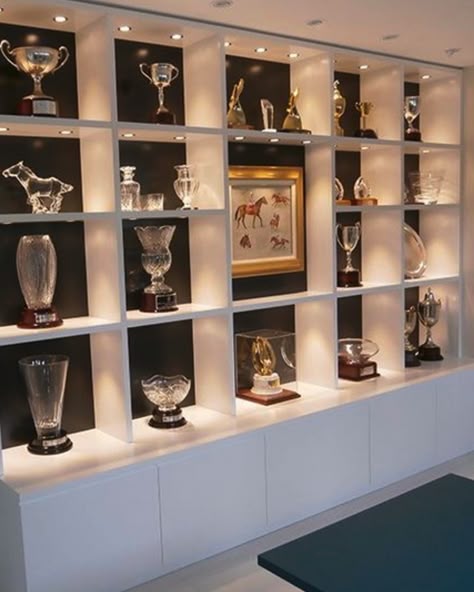
A common mistake is trying to fit too much into one case or display zone.
More items do not automatically create more interest. In fact, overcrowded displays usually reduce attention because nothing stands out individually.
Spacing matters:
- leave room around featured items
- vary height slightly
- avoid stacking objects too tightly
Customers and visitors should immediately understand what they’re looking at without needing to study it.
Permanent Displays Need Different Planning
Retail merchandising changes often, but long-term installations work differently. They need to stay visually clean for extended periods without constant resets.
That’s why enclosed displays tend to work better for long-term presentation pieces. A school trophy case, for example, works because it protects items while still keeping them visible in a busy environment. The same principle applies in many commercial spaces where products, awards, memorabilia, or featured items need to remain organized over time.
The fixture itself becomes part of the presentation.
Lighting Changes Everything
A poorly lit display gets ignored no matter how good the contents are.
You don’t need extreme lighting, but you do need:
- clear visibility from a distance
- minimal glare on glass surfaces
- enough contrast between products and background
Even basic lighting adjustments can make a display look significantly more intentional.
Keep Maintenance Simple
Displays that are difficult to clean or reorganize usually end up neglected.
This becomes especially important in public spaces where staff are already busy with other responsibilities. Fingerprints, dust, and uneven product placement build up quickly if the setup is too complicated.
Simple layouts hold up better over time because they’re easier to reset consistently.
Placement Affects Engagement
Location matters just as much as the fixture itself.
Displays placed near entrances, waiting areas, or transition points naturally get more attention because people slow down in those areas. Displays hidden along side walls or behind furniture tend to disappear into the background.
You want the display visible without blocking movement.
Don’t Overdesign the Area
A lot of presentation spaces try too hard to look impressive. Too many decorations, colors, or layered elements end up distracting from the actual display.
Clean layouts almost always work better:
- neutral surroundings
- controlled spacing
- clear focal points
The items inside the case should hold the attention, not the surrounding clutter.
What This Comes Down To
Whether it’s retail products, awards, collectibles, or featured merchandise, the same rule applies: people engage more when displays are clean, organized, and easy to understand.
The goal isn’t to cram as much as possible into one area. It’s to create a setup that still looks intentional weeks or months after it’s installed.